USA

The U.S. experiences gentrification in many ways but cultural gentrification is the main form that occurs nationwide.
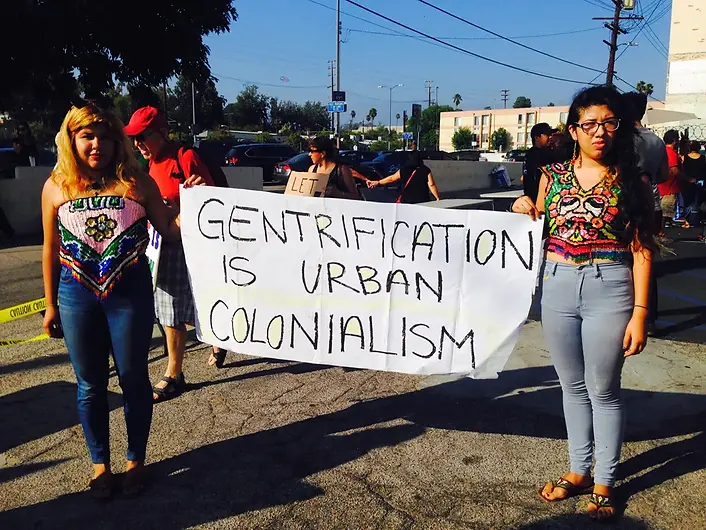
The U.S. has always had neighborhoods within cities that were cultural hubs for certain ethnicities. Whether this was through processes such as redlining or simply communities vying together for support, the emotional and cultural connection was already established.
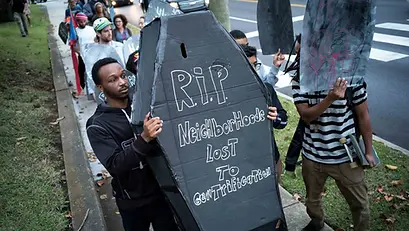
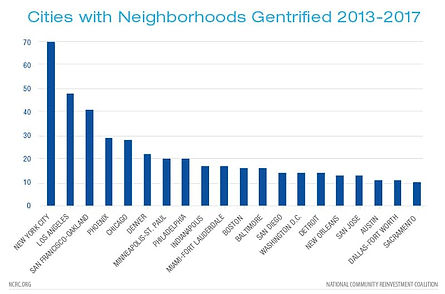
During the early 2000s, East Los Angeles, or Boyle Heights was experiencing warning signs of gentrification. Boyle Heights was an area that had a lot of Latino immigrants living. These signals caused Councilman Nick Pacheco to begin his “war against street vendors.” He set up a system that connected the LAPD and the Health Department and Public Services to target vendors within the area Boyle Heights was located. These vendors can be livelihoods for the people living in these areas and increased policing of their jobs can cause loss of income and a lack of trust towards the local government.
These areas then begin to get mystified by the masses. With this mystification, the local culture begins to get pushed out to accommodate these new visitors. This attraction/affinity towards the culture within these areas does not always procure meaningful interactions.

The United States’ cultural gentrification’s severity varies as individual states have jurisdiction over their urban development. Some cities are able to help realize the effects of cultural gentrification and create safeguards to help their residents. As of 2020, East Portland contained the highest percentage of residents identifying as Asian in the state. The specific neighborhood housing these people was called “the Jade District.” The Jade District ended up developing strategies with APANO, an organization that unites Asians through advocacy, community development and cultural work, to understand their community’s concern about the displacement of the people who have lived there forever. The United States has a lot more work to do but according to Joshua Lown, a Postdoctoral Research Associate at Boston University, collective efficacy and community involvement is a responsible way to engage with cities ethically.