SOLUTIONS:
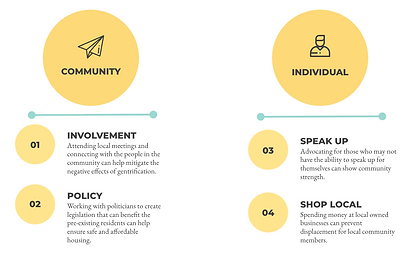
While finding a “solution” to gentrification isn’t fully possible, there are solutions to mitigate those effects on the people living there.
GLOBAL:
The best solutions that I have found are inclusionary zoning laws. In South Africa, the government created the South Africa's Land Restitution Programme to reconcile with the aftereffects of apartheid. This plan acknowledges the harm that the country has done and promises to do better.
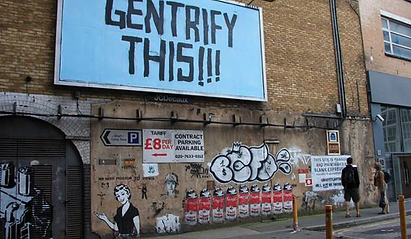
The plan wants to ensure that the land is being given back to the Black majority and they are able to slowly and sustainably grow their wealth. It is a good step in the correct direction. Inclusionary zoning laws are mandates that make it so whenever there are new developments being made within a neighborhood, specifically housing developments, a certain portion must be either low-income affordable or go to long-term residents.
On a global level, this would be the best way to help the communities facing gentrification. Developments that are being built with the residents’ wants and needs in mind are able to better service the community they are in. Low-income communities deserve renovations and reinvestment, but there needs to be direct representation of those people’s voices when these changes are being made.
LOCAL:
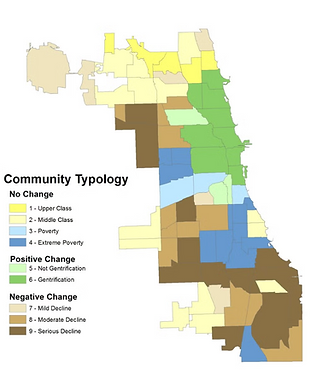
The problems being faced in the inner-city of Chicago may be completely different to the problems of Siargao Island in the Philippines.
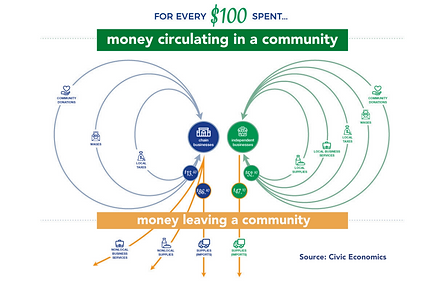
However, on a local-scale, people are able to do more direct work to help. When talking to Dr. Greenlee, I brought up the term “community land trusts” to him as a possible solution to gentrification. He began to explain to me the merits of a community land trust.


Community land trusts are land that has been collectively purchased by the community that is used to better the residents within the neighborhood.
One example of this that I found and was enamoured with was the Kensington Marketplace Community Land Trust (KMCLT). KMCLT was able to buy land to turn into affordable housing for the people who could not afford to continue living in that neighborhood. The CLT also acknowledges the integral history of Kensington Marketplace being a cultural hotspot for Canadians throughout its history, which is very important when thinking about any type of solutions for gentrification.
Dr. Greenlee stated that Community Land Trusts are some of the most effective ways to fight gentrification. It allows for sustainable growth in the community which many organizations do not. It creates a pathway for the residents to gain ownership in what is their land.