Andrew Greenlee, PhD
University of Illinois Urbana-Champaign
Investment without inequality is possible as a goal but is rarely achieved in the real world. The process is costly, slow, and requires community engagement that is often not allocated in times of urban development. Neighborhood neglect comes from the failures of the local government. Therefore, the improvements on the land must center the people already there and on their own terms. Community land trusts are some of the strongest anti-displacement tools. The core problem is not change itself, but the speed in which it occurs. Change that occurs too quickly for a city often targets the vulnerable residents.

Josh Lown, MSW, PhD
Boston University
Early signs of gentrification include rising property values, permit pulls, home flipping, etc. but are often only visible in hindsight. Long-term residents rarely benefit from improved services, often being displaced before they are completed. Gentrification shifts power to wealthier and more connected residents. This can be seen in zoning meetings/city decisions that exclude non-English speakers and working class residents. Gentrification causes collective efficacy -- the ability to create social bonds holding communities together -- to decrease. Responsible engagement means using privilege to empower others.
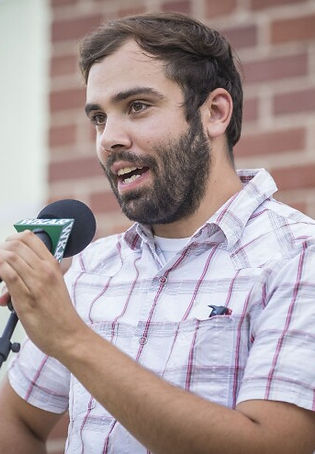
Valerie Sorenson
Lake Forest Academy
Outside investment and overdevelopment—specifically through Airbnbs and "crypto utopias"—are displacing native residents in Puerto Rico who already struggle with a limited job market and the high cost of living exacerbated. By engaging with diverse local perspectives and observing the stark contrast between new developments and neglected neighborhoods, a more conscious approach to tourism that prioritizes Puerto Rican-owned businesses and "education over entertainment" can help mitigate gentrification's impact.
